Why Most Visit Visa Applications Get Refused — And How to Apply the Right Way
Every year, millions of people apply for visit visas with genuine intentions: tourism, family visits, short business trips, or special events. Yet a shocking number of these applications are refused — often without a detailed explanation that truly satisfies the applicant. What makes it even more painful is that many refusals happen to people who believe they “did everything right.” They submitted documents, paid the fees, booked flights, and still got rejected. The truth is this: visa decisions are not emotional — they are risk assessments. Immigration officers are trained to spot potential overstays, illegal work risks, and inconsistencies. If your application raises doubt — even slightly — refusal becomes the safer option for them. Let’s break down the real reasons most visit visas are refused, using realistic experiences and practical examples, and then explain how to apply the right way.
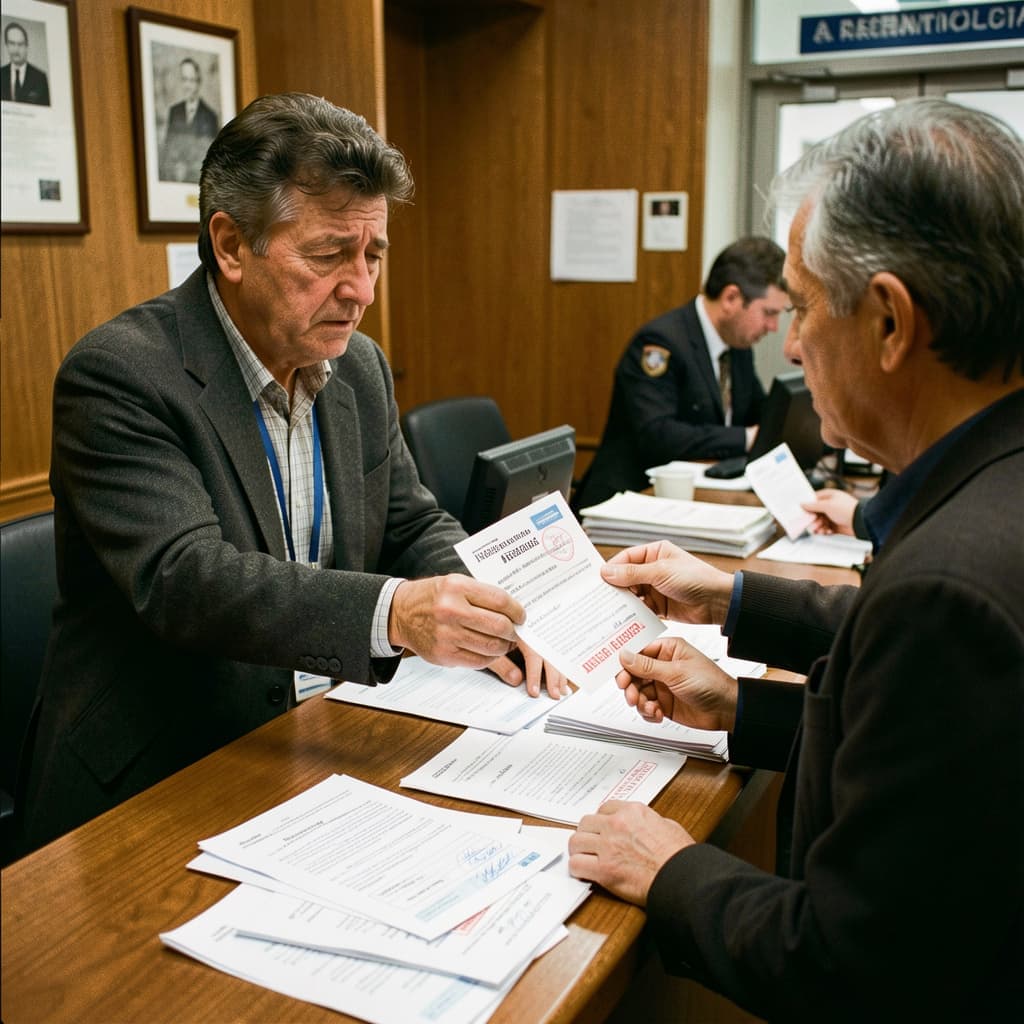
Why Most Visit Visa Applications Get Refused And How to Apply the Right Way
Every year, millions of people apply for visit visas with genuine intentions: tourism, family visits, short business trips, or special events. Yet a shocking number of these applications are refused often without a detailed explanation that truly satisfies the applicant.
What makes it even more painful is that many refusals happen to people who believe they “did everything right.” They submitted documents, paid the fees, booked flights, and still got rejected.
The truth is this: visa decisions are not emotional they are risk assessments. Immigration officers are trained to spot potential overstays, illegal work risks, and inconsistencies. If your application raises doubt even slightly refusal becomes the safer option for them.
Let’s break down the real reasons most visit visas are refused, using realistic experiences and practical examples, and then explain how to apply the right way.
1. The Visa Officer Is Not Convinced You Will Return Home
One of the biggest concerns for any immigration officer whether for the UK, Schengen countries, Canada, or Australia is whether you truly intend to visit temporarily and go back home afterwards. If your application doesn’t convincingly show this, it’s a major red flag.
This is the number one reason visit visas are refused globally.
From the applicant’s point of view, the intention to return home is obvious. But from the visa officer’s desk, they are asking one question only:
“What guarantees do we have that this person will leave our country after their visit?”
Why has this become a problem
Many applicants say they will return home, but fail to prove it. Immigration officers do not rely on promises; they rely on evidence. If your application lacks strong ties to your home country, the officer may assume you have more reasons to stay abroad than to return.
A young, single applicant with no stable employment applies for a Schengen visit visa. He has some savings and an invitation letter from a friend in France. On paper, nothing is illegal. But from the officer’s perspective:
· No job to return to
· No dependents
· No long-term commitments
Even if the applicant truly intends to return, the risk profile looks high, so the visa is refused.
2. Your Financial Situation Does Not Make Sense
It’s not enough to simply show you have money immigration officers want clarity and credibility of funds. Most especially when applying to visit the United Kingdom. Common financial pitfalls include:
sudden large deposits without explanation
inconsistent or incomplete bank statements
documents that don’t match the story in your application
Many applicants report getting refused because officials thought their account showed “boosted” funds meaning the money looked recently added with no clear source or explanation, or visa officers state on the refusal letter that they noticed a large amount of money that came into their account, which is not related to the stated income on their application
Having money is important but how your money looks is even more important.
Visa officers (most especially UK) carefully examine bank statements to understand:
· your income pattern
· spending habits
· financial stability over time
Common mistakes applicants make
Many applicants believe a large balance alone guarantees approval. Unfortunately, this is one of the biggest misconceptions.
Officers often refuse applications because:
· large deposits appear suddenly before application
· funds have no clear source
· income does not match employment claims
· bank statements are inconsistent or incomplete
3. Your Purpose of Travel Is Vague or Unconvincing
Saying “I want to visit for tourism” is not enough.
Visa officers want to understand:
· what you will do there
· where you will stay
· how long you will remain
Why vague purposes cause refusal
Countries like those in the Schengen area require a detailed travel plan. A vague goal like “tourism” without a concrete itinerary, hotel bookings, or event confirmations often leads to rejection.
What to include
Trip schedule with dates and locations
Confirmed bookings for accommodation
Visitation reasons (events, family visits, tourism highlights)
Invitation letters for visiting family/friends
Tip: A well-written cover letter that narrates your visit plan makes it much easier for the officer to believe it.
A weak travel purpose makes the application look unserious or dishonest. Officers may suspect the real intention is different from what is stated, such as illegal work or overstaying.
4. Weak or Inconsistent Documentation
Even small inconsistencies can destroy credibility.
Visa officers cross-check every document against your application form and cover letter. When things don’t align, they may assume deception even if the mistake was innocent.
Common documentation issues
· employment letter dates don’t match bank salary entries
· business owners fail to provide registration documents
· names or dates differ across documents
· missing pages or unsigned letters
5. Weak Ties to Home Country
No matter the country, one consistent reason for refusal pointed out even by visa officers in candid discussions is failure to demonstrate strong home ties like stable work, family, or ongoing commitments.
If the officer doubts you’ll return, even strong finances can be outweighed. For example:
no job history
no property
no family dependents
is automatically considered high-risk, regardless of good intentions.
6. Bad Travel History or Immigration Records
Past immigration behaviour matters a lot.
If you have:
· overstayed a visa
· violated visa terms
· been refused before
· used false documents previously
This information is often shared between some countries, most especially the Schengen areas.
Even refusals from other countries can influence new applications if the reasons were serious, deception was involved, or an overstay occurred.
7. Application Errors and Carelessness
Many refusals happen simply because the application was poorly completed.
Examples include:
· wrong visa category
· unanswered questions
· incorrect travel dates
· missing signatures
· uploading wrong documents
Visa officers do not correct mistakes they assess what is submitted.
Most visa refusals are not personal. They are the result of:
· weak presentation
· missing clarity
· misunderstood requirements
A strong visa application is not about having the most documents it’s about telling a clear, consistent, believable story that answers the officer’s concerns before they even arise.
When you apply the right way, you stop guessing and start convincing.
How to Apply the Right Way
Applying for a visit visa the right way starts long before you upload documents or attend a biometrics appointment. It begins with understanding that a visa application is not about proving you are a good person, but about proving that your travel plans make sense within immigration rules. Many applicants fail not because they lied, but because they assumed the visa officer would “figure things out” on their behalf. Officers don’t infer; they assess only what is clearly presented to them. There are several ways to apply the right way to reduce your chance of getting a refusal.
Write a Proper Cover Letter
One of the most important tools in applying the right way is a well-written cover letter. This is not a place to beg, plead, or express desperation to travel. It is simply your opportunity to explain your application in plain language. A good cover letter calmly walks the officer through your situation, including your employment or business, travel purpose, financial position, and ties to your home country. When something in your documents could raise questions such as an irregular bank deposit, a short employment history, or a previous refusal the cover letter is where you address it directly. Silence creates suspicion; explanation builds trust.
Show Financial Stability, Not Just Money
Financial documents should show stability, not just capacity. Many applicants focus on increasing their bank balance shortly before applying, believing that higher figures automatically mean approval. In reality, visa officers are trained to look beyond numbers. They study how money enters and leaves the account over time. A smaller but consistent income often looks more credible than a large, unexplained balance. Applying the right way means using an account you genuinely operate, ensuring that your financial records align with your job or business, and clearly explaining any unusual transactions instead of hoping they go unnoticed.
Make Your Travel Plan Easy to Understand
The purpose of your travel should feel natural and realistic. When someone applies “just for tourism” without showing what they plan to see, where they will stay, or how their trip fits into their life, the application feels hollow. A genuine visitor can easily explain their plans because the trip exists in their mind before it is written down on paper. Whether you are visiting family, attending an event, or exploring a new country, your application should reflect thoughtful planning rather than vague intention.
Prove Strong Reasons to Return Home (This Is Critical)
Equally important is how clearly you show your reasons for returning home. Many applicants assume that returning is obvious because their life is in their home country. But immigration officers do not assume; they look for proof. Applying the right way means actively showing what pulls you back your job, your studies, your family responsibilities, your business, or your plans. When these ties are presented clearly and supported by documents, the risk of overstaying appears lower, and the application becomes easier to approve.
Be Honest Even When the Truth Is Not Perfect
Honesty also plays a critical role in successful applications. Some applicants are tempted to hide past refusals, employment gaps, or weak travel history out of fear that these details will lead to rejection. In reality, dishonesty is far more damaging than imperfection. Visa officers often have access to shared databases, and inconsistencies are quickly noticed. When applicants explain their past truthfully and show how their circumstances have improved, they appear more credible, not less.
Apply With Timing and Preparation
Timing and preparation matter more than many people realise. Applications prepared in a rush tend to contain errors, missing documents, poorly thought-out explanations, or might not meet the required processing time of the country you are applying to. Applying the right way means giving yourself enough time to prepare, review, and correct your application before submission. A calm, well-organised application reflects seriousness and responsibility qualities immigration officers value.
Seeking Professional Guidance Can Make the Difference
Finally, one of the smartest decisions an applicant can make is seeking professional assistance. Visa applications are legal and administrative processes, and small mistakes can have serious consequences. A qualified travel consultant or immigration professional understands how visa officers think, how documents should be presented, and how to avoid common refusal triggers. Professional guidance does not guarantee approval, but it significantly reduces errors, improves clarity, and increases your chances of success especially if you have been refused before or your situation is complex.
Ultimately, applying the right way is about perspective. When you stop viewing the visa process as something happening to you and start viewing it as a case you must clearly present, everything changes. The strongest applications do not rely on hope or emotion; they rely on clarity, logic, and consistency. When your story makes sense, your documents support each other, and your intentions are easy to understand, approval becomes far more likely.
Need Help or Have Questions?
Our team at Flyibat Travels is here to assist you. Get in touch and let us help you with your needs.
Available Monday - Friday, 8:00 AM - 5:00 PM